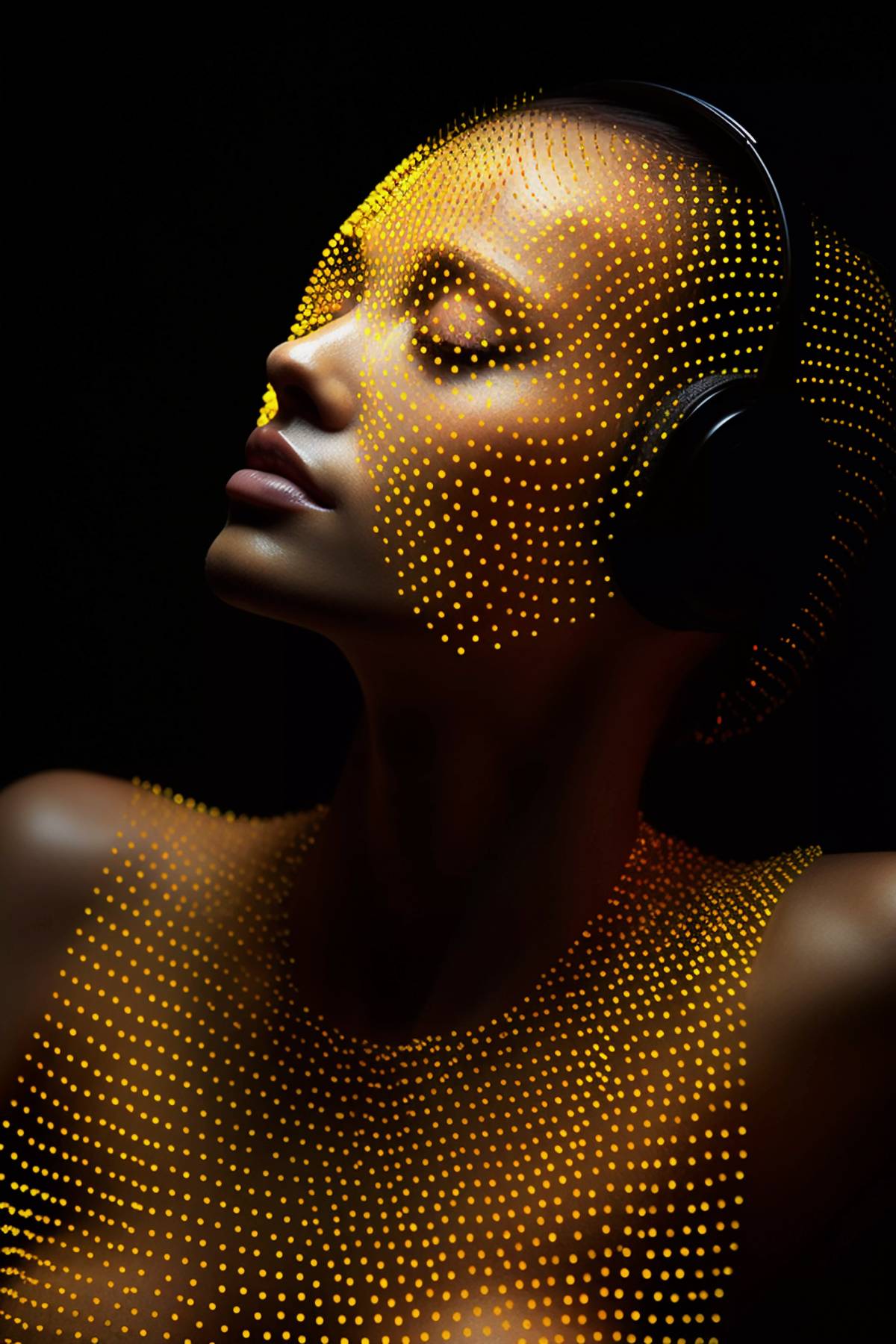
Luxury is not simply a product category. It is a psychological space built on emotion, symbolism, aspiration and experience. High-end brands distinguish themselves not only through craftsmanship and design, but also through sensory storytelling. Visual identity, scent, lighting and texture all play essential roles. Yet one ingredient remains surprisingly underappreciated – sound. Music shapes how consumers perceive quality, exclusivity and prestige. It has the power to elevate a product from desirable to iconic, to turn a boutique into a sanctuary and to transform a digital interaction into a premium encounter. In the world of luxury branding, sound does not just support the message – it becomes the message. This article explores how luxury brands use music to communicate values, influence perception, create emotional resonance and build long-term loyalty. It also explains why sound identity is now a strategic asset in premium marketing and how the right licensing model helps maintain exclusivity.
Why Luxury Requires a Distinct Music Approach
Luxury operates under psychological principles different from mainstream branding. High-end consumers respond to subtlety, intention and coherence. Music must therefore embody refinement, sophistication and emotional intelligence. It must feel curated rather than generic, rare rather than accessible, timeless rather than trendy. While mass-market brands often use bold or energetic scoring to capture attention, luxury brands seek to create atmosphere, depth and calm authority.
In the luxury sector, silence is as important as sound. Every note carries meaning.
The Psychology of Luxury Sound
Consumer research shows that specific sonic characteristics strongly influence how audiences perceive quality. Slow tempos evoke calm confidence. Warm textures suggest craftsmanship. Acoustic instruments feel authentic and intimate. Rich harmonies create emotional depth. Luxury audiences are sensitive to these cues and quickly detect anything overly commercial, rushed or synthetic in the wrong way.
Music in luxury branding must communicate prestige by sounding spacious, balanced and carefully composed. It must signal exclusivity by using unique tonal palettes and custom-crafted elements. It must express trust by being consistent, stable and emotionally controlled. In this sector, music becomes a reflection of the brand’s internal world.
How Music Shapes the Luxury Customer Experience
Luxury customer journeys are built holistically. Music influences anticipation, exploration, interaction and post-purchase emotion. In boutiques, soft ambient compositions slow down movement and increase perceived product value. In campaigns, elegant scoring enhances cinematic visuals and reinforces brand heritage. In digital spaces, subtle sound cues elevate minimalistic layouts and help maintain emotional depth.
Music guides behavior, supports visual storytelling and creates an atmosphere that cannot be replicated by visuals alone.
Signature Sound: The “Invisible Logo” of Luxury
A strong sonic identity is becoming as important as a visual logo. Luxury brands increasingly treat sound as an asset with strategic value. A signature motif, a recurring tonal palette or a custom musical universe can distinguish a brand instantly and create powerful emotional associations.
In high-end fashion, automotive, hospitality and jewelry, bespoke compositions are common because they communicate rarity and craftsmanship better than generic tracks ever could. The sound becomes part of the brand’s mythology.
Music in Luxury Campaigns: Minimalism and Emotion
Luxury campaigns often use minimalistic sound design. Instead of complex arrangements, they rely on controlled pacing, atmospheric layers and refined textures that highlight craftsmanship and detail. Soft pianos, airy pads, warm strings, elegant electronic tones and gentle percussive elements are frequently used to create a sense of serenity and understatement. These sonic environments allow the product to remain the focal point while adding emotional resonance.
Music for Luxury Retail Environments
Boutiques are not shops. They are designed environments. Music contributes to this architecture. Gentle soundscapes reduce stress, extend browsing time and create a feeling of calm exclusivity. Spatially rich compositions make interiors feel both intimate and expansive. Some luxury brands curate playlists that follow the emotional rhythm of the day: brighter mornings, richer afternoons, warmer evenings. This progression maintains a sense of evolving refinement and subtly guides customer behavior.
How Music Elevates Luxury Branding Online
Luxury increasingly lives in the digital world. Customers discover, research and purchase products online. Music adds depth to digital storytelling by enhancing product videos, reinforcing heritage messaging and elevating minimalist web layouts. Even short social media formats can feel premium when accompanied by carefully curated sound.
In digital contexts, music must be precise, subtle and intentional. Overly dramatic scoring risks overshadowing the brand. Understated elegance is key.
Emotional Storytelling and Brand Heritage
Luxury brands use music to reinforce:
- heritage and legacy
- craftsmanship and precision
- emotional intimacy
- cultural relevance
- long-term trust
Music is one of the most effective ways to express heritage without words. Through tone, pacing and instrumentation, it communicates decades of tradition in seconds.
Why Licensing Matters Even More for Luxury Brands
Exclusivity is the foundation of luxury. Licensing therefore becomes a crucial part of sound strategy. Using generic or widely available tracks undermines prestige. Using improperly licensed music damages credibility and carries legal consequences that high-end brands cannot risk.
Licensing for luxury must offer long-term clarity, cross-platform usage and the option for unique or semi-exclusive rights. Platforms like Closer Music support these needs by offering modular, high-quality tracks with transparent commercial rights suitable for premium campaigns.
Sound must be as protected and crafted as the product itself.
Attachment:
music.jpg
Music for Luxury Events and Product Launches
Luxury events require precise musical architecture. Runway shows rely on elegant rhythmic scoring that shapes movement. Gala dinners use warm ambient soundscapes that encourage social interaction. Private previews depend on atmospheric textures that highlight craftsmanship and exclusivity. In all cases, music sets the emotional temperature of the event.
The pacing of the music influences how guests move, observe and connect with the brand. Well-designed soundtracks elevate moments into experiences.
Cultural Intelligence and Global Luxury
Luxury sound must reflect cultural intelligence, including:
- sensitivity to local aesthetics
- awareness of cultural associations
- respect for heritage in targeted markets
- adaptation for regional variations
- avoidance of culturally insensitive motifs
High-end consumers expect authenticity. Sound that ignores cultural relevance risks feeling artificial or disrespectful, which can damage brand trust.
The Future of Luxury Sound
Luxury sound is moving toward bespoke compositions, adaptive soundscapes and multi-sensory integration across physical and digital touchpoints. AI will help generate subtle variations while human composers define emotional identity. Spatial audio will enhance boutique experiences and expand immersive digital environments. Modular sonic ecosystems will replace single-soundtrack approaches, enabling consistent refinement over years.
The core principles, however, remain unchanged: exclusivity, elegance, intention and emotional depth.
Conclusion: Luxury Sound Is Crafted, Not Chosen
In luxury branding, music is not a background element. It is a strategic dimension of prestige. It shapes perception, builds trust, communicates heritage and elevates every interaction. Luxury brands that treat sound with the same care as design, material quality and craftsmanship gain a powerful competitive advantage.
In the modern premium landscape, sound is one of the purest expressions of exclusivity.
Leave a Reply